Do Location Pages Work for Trade Businesses Covering Multiple Suburbs?
Broad service pages often leave local customers unsure if you travel to their suburb, whereas clear location details build immediate trust.
By SyncMate
On this page
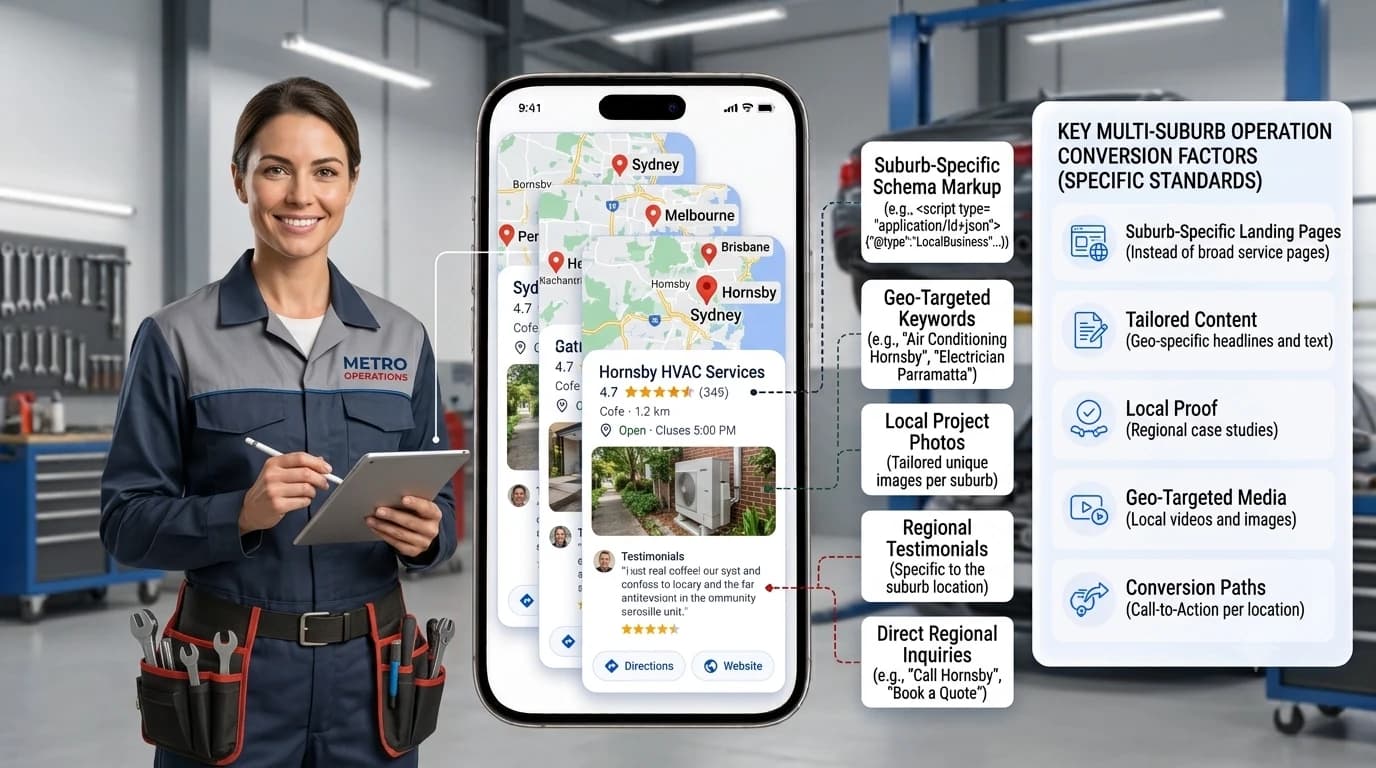
Homeowners looking for a local trade want to know two things immediately: whether you work in their suburb and when you can get there. Broad service pages that list fifty suburbs in a footer link often fail to answer these practical questions. When potential customers cannot confirm that you operate in their suburb, they are likely to leave your website and call a competitor down the road. Clear, honest location information helps bridge this gap between your true service patch and the homeowners searching within it.
Why generic service pages fail multi suburb operators
Broad service pages usually focus on general job descriptions rather than physical travel boundaries. When a customer lands on a generic page, they may see a long list of tasks but no clear confirmation that you regularly take work in their specific suburb.
Homeowners often pass over businesses that look too far away or overly vague about their coverage. If your business address is recorded in one suburb and your page gives no details about surrounding areas, searchers may assume you do not travel to them or that call-out fees will be higher.
Simply dropping a list of fifty suburb names at the bottom of a generic page rarely builds confidence. Customers prefer clear statements about where you travel, local booking conditions, and realistic response times for their specific part of town.
A customer with an urgent repair job is rarely interested in general trade copy. They want to know if a technician is currently working in their immediate zone and how soon someone can arrive.
How to structure a suburb page without duplicating content
Copying and pasting the exact same paragraph across dozens of suburb pages can confuse search systems and turn off visitors. Instead of repeating identical copy, each page ought to focus on distinct geographical boundaries, main road corridors, and genuine operational details.
Dividing your coverage zone into logical hubs makes suburb pages far easier to maintain. For example, grouping neighbouring suburbs around key transport routes or major commercial centers allows you to explain actual travel times accurately.
To make each suburb page unique and genuinely practical for local searchers, focus on these clear details:
- Specific travel radiuses, including nearby landmarks or main roads that mark the edge of your regular service zone.
- Typical arrival windows for planned maintenance versus emergency calls within that specific sector.
- Clear statements regarding call-out fees, quote processes, or weekend scheduling rules for that area.
- Relevant state licence numbers and compliance details that apply to work performed in that jurisdiction.
Sticking to these concrete facts keeps your content distinct without needing to invent artificial stories or copy template text across your site.
Practical details customers look for on local trade pages
An effective suburb page answers immediate practical questions before asking a customer to commit to a job. It confirms your exact coverage area, outlines standard call-out expectations, and explains how your team manages scheduling across that zone.
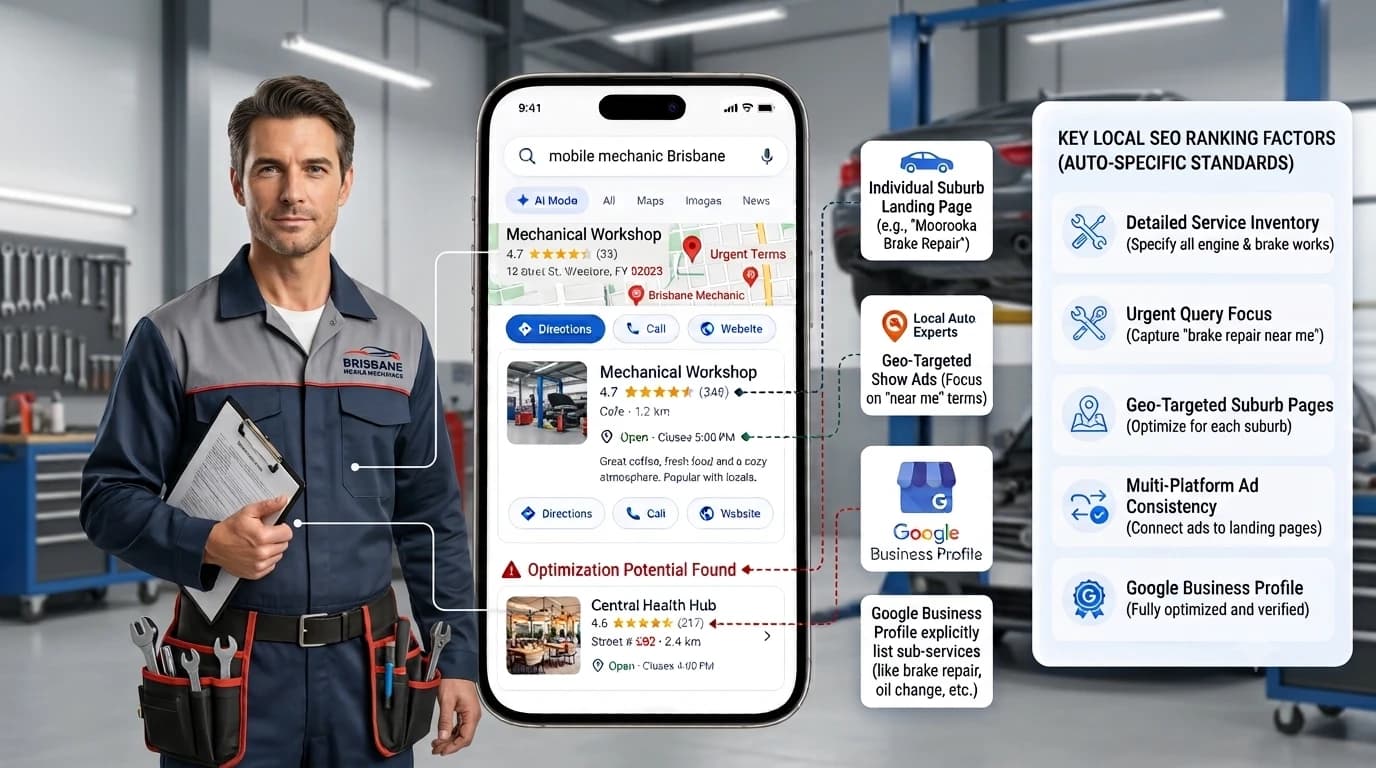
Content should reflect real operational conditions rather than generic statements. Mentioning relevant state licensing, typical travel corridors, or local considerations, such as council parking restrictions or storm seasons, demonstrates genuine presence in that market.
Local homeowners appreciate transparency about travel limits and scheduling availability. If you only visit certain outer suburbs on specific days of the week, stating that clearly prevents misunderstandings and saves time for both parties.
Placing simple call options and clear booking steps at the top of the page helps turn interested visitors into active enquiries. A searcher who sees straightforward local details can make a quick decision to ring or send a message without hunting through complex menus.
How search tools interpret local service area details
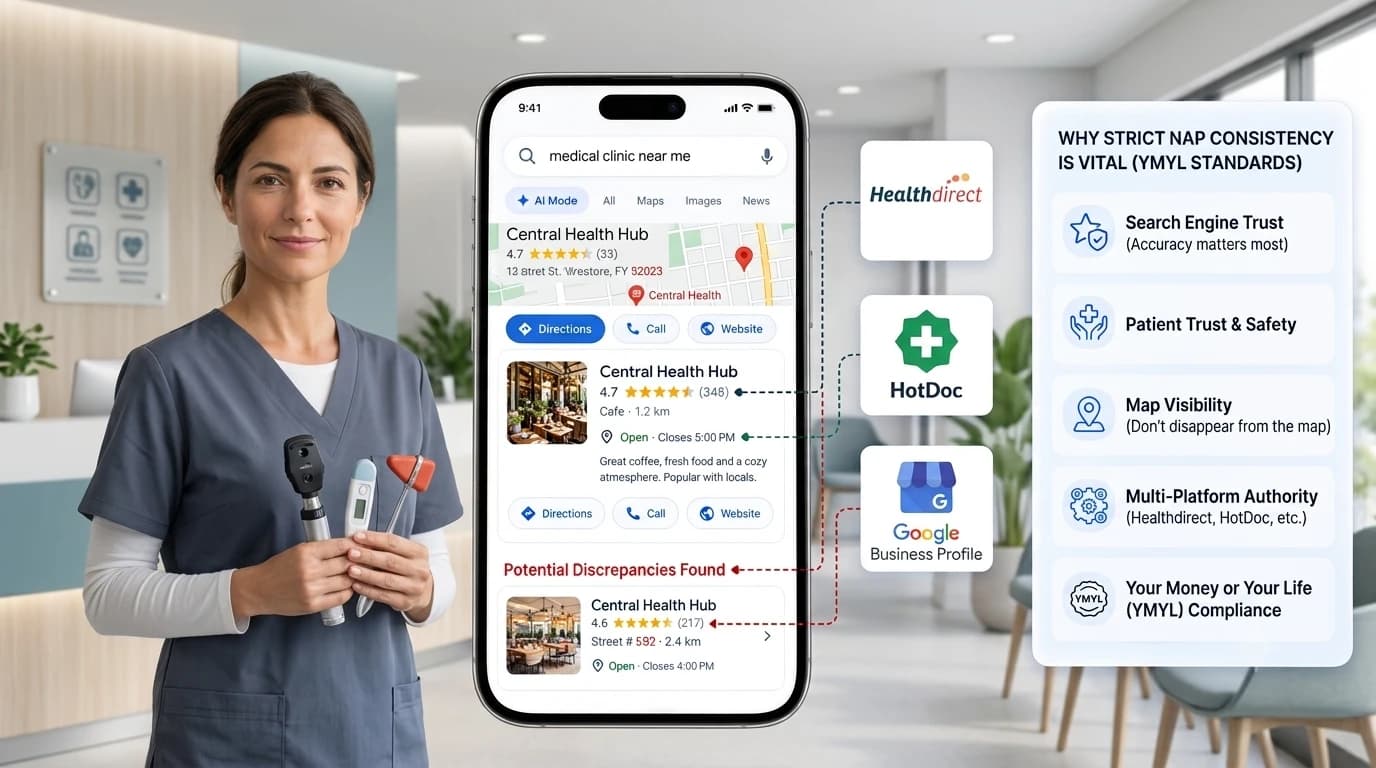
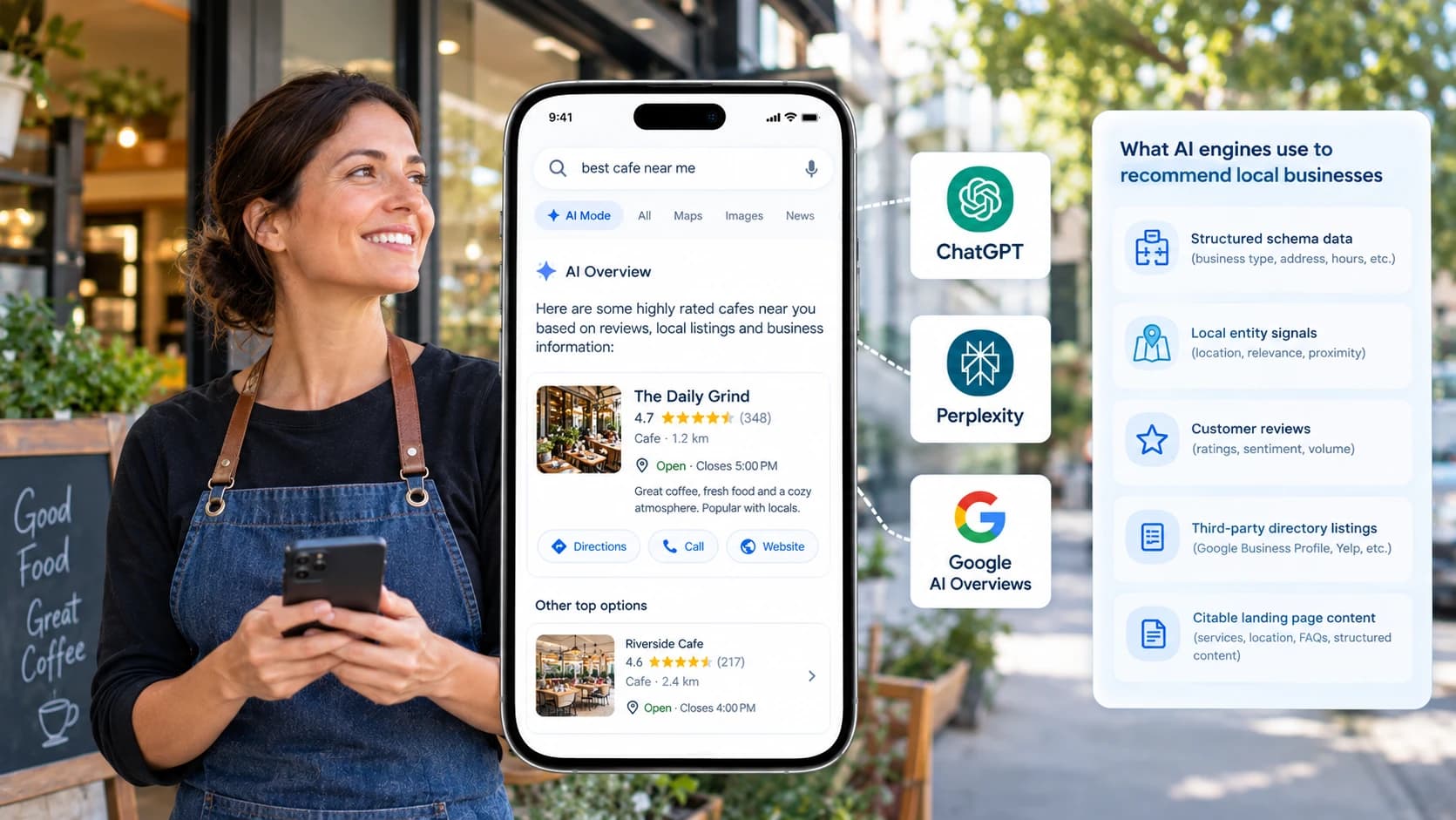
Search engines and AI assistants may look for consistent, verifiable details across the web to help understand where a business operates. When your website details match public records, business directories, and map profiles, search systems can understand your service patch with greater confidence.
Inconsistent information across third-party sites can create uncertainty. If one directory states you only cover a single postcode while your website claims to cover an entire metropolitan region, search tools may struggle to confirm your accurate service footprint.
Maintaining matching business details, trade licence numbers, and suburb coverage across all digital touchpoints can make it easier for search systems to connect your business with relevant local enquiries in your active work zones.
Clear structure and accurate geographical references help both automated discovery systems and human searchers confirm that your business is an active, licensed provider in that specific neighbourhood.
From SyncMate
How SyncMate helps
SyncMate offers LandMark, a managed service designed for Australian small businesses and trades. Sold on a brief 15-minute call, LandMark keeps your business findable and correctly described across Google, Apple, Bing, and AI assistants. It ensures your operating details, suburb coverage, and contact options stay consistent across directories. Pricing is $150 a month including GST for the first three months, then $250 a month, with no lock-in contract so your data stays yours.
Frequently asked questions
You can divide your coverage zone into logical hubs around main transport routes or major commercial centres. This approach allows you to explain real travel times accurately across neighbouring suburbs.
Related articles
Clear location information bridges the gap between where your trade business travels and where local customers are searching. By focusing on honest service boundaries, consistent public details, and straightforward contact options, multi-suburb operators can build trust with local searchers across their entire coverage area. Taking the time to structure your geographic details clearly ensures customers know you are ready to pick up the job in their neighbourhood.